

DTV DIGITAL NOMAD VISA • UPDATED JANUARY 2026
Best Thailand DTV Visa Insurance 2026: Approved Plans Compared
Everything digital nomads and remote workers need to know about health insurance for Thailand’s Destination Thailand Visa. Complete, fact-checked guide.
📋 Response within 2h • We help digital nomads daily
⚡ QUICK ANSWER
Is insurance required for the Thailand DTV visa?
Not universally mandatory, but some embassies require it. When required, minimum is typically $50,000 USD coverage. Unlike O-A/O-X visas, DTV accepts any reputable international insurer—no TGIA approved list restrictions.
🛂 DTV Visa Overview
5-year validity • 180 days/entry (+180 extension) • 10,000 THB fee • Digital nomads & remote workers
📋 Insurance When Required
$50,000 USD minimum • Any international insurer • Certificate needed • Check your specific embassy
Applying for DTV and need insurance? Tell us which embassy → We help free
📊 KEY FACTS: DTV VISA INSURANCE (2026)
Is insurance mandatory? Depends on embassy. Some require it, some don’t. Always verify before applying.
Minimum coverage? $50,000 USD when required. No TGIA list restriction (unlike O-A visa).
Best options? SafetyWing (~$63/4 weeks), Genki Traveler (from ~€60/month, varies by age), World Nomads (trip-based).
DTV vs O-A visa? DTV: flexible insurance. O-A: must use TGIA approved list + $100K minimum. Compare →
5 Years
Visa validity
180+180
Days per entry
$50K
Insurance minimum*
💻 GET AN INSTANT DTV QUOTE
SafetyWing — Built for DTV Digital Nomads in Thailand
Monthly subscription from $63/month, designed for remote workers and digital nomads. Worldwide coverage, monthly cancel. Meets DTV visa insurance requirements for short stays.
Why DTV nomads choose SafetyWing
- ✓ Designed for digital nomads worldwide
- ✓ Monthly subscription, no annual lock-in
- ✓ Worldwide coverage (works in Thailand & SE Asia)
- ✓ Cancel anytime, instant renewal
- ✓ Online claims, fast processing
Need higher coverage limits for the full 5-year DTV duration? Scroll down to compare with Genki and longer-term health plans ↓
⚠️ Important: DTV requirements vary by embassy. This guide reflects 2026 rules based on official sources. Always verify with your specific Thai embassy before applying.
📋 WHAT’S IN THIS GUIDE
Disclosure: This guide contains affiliate links to insurance providers. We may earn a commission if you purchase through our links, at no extra cost to you. Full disclaimer.
THE BASICS
What is the DTV (Destination Thailand Visa)?
Need Thailand DTV visa insurance? Here’s what you need to know. The Destination Thailand Visa (DTV) is Thailand’s official “digital nomad visa,” launched on July 15, 2024. It’s designed specifically for remote workers, freelancers, and digital entrepreneurs who earn their income from outside Thailand.
Unlike traditional tourist visas that require frequent border runs, or expensive investment visas that demand substantial capital, Thailand DTV visa insurance and the DTV itself offer a middle ground—giving you legal status to live and work remotely in Thailand for extended periods.
DTV VISA AT A GLANCE
VISA VALIDITY
5 Years
STAY PER ENTRY
180 Days
EXTENSION
+180 Days
APPLICATION FEE
10,000 THB
Who Can Apply for the DTV?
The DTV is available through three main categories:
1. Workcation (Digital Nomads & Remote Workers)
You work remotely for a company outside Thailand, freelance for foreign clients, or run a business registered abroad. This is the category most digital nomads will use.
2. Thai Soft Power Activities
You’re participating in Thai cultural activities like Muay Thai training, Thai culinary courses, Thai language study, medical tourism, sports training, or artistic/musical festivals. Programs should be at least 6 months for best approval chances.
3. Dependents
Spouses and unmarried children under 20 years old of DTV holders can apply separately. Each dependent needs their own application and fee.
Basic DTV Requirements
Before we dive into insurance specifically, here are the core requirements for the DTV:
- ✓ Age: At least 20 years old
- ✓ Financial proof: 500,000 THB (~$14,000 USD) in bank for 3+ months
- ✓ Passport: Valid for at least 6 months with blank pages
- ✓ Remote work proof: Employment contract, client contracts, or business registration
- ✓ Criminal record: Clean background certificate
- ✓ Apply from outside Thailand: Embassy/consulate or Thailand e-Visa portal
Now let’s get to the important part: what about health insurance?
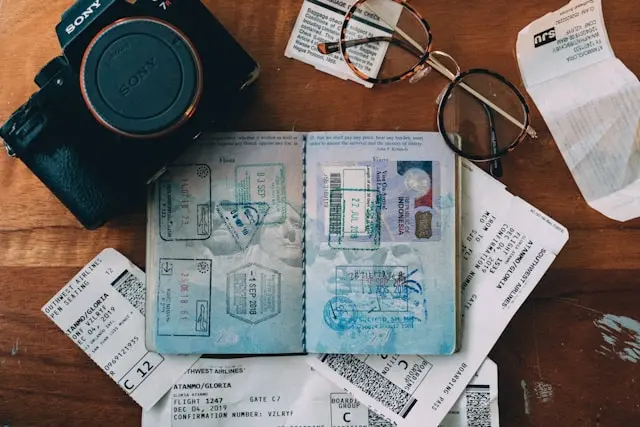
THE TRUTH ABOUT DTV INSURANCE
Thailand DTV Visa Insurance: The Official Rules
Here’s what most websites won’t tell you: health insurance is not universally mandatory for the DTV at the national level. However, the reality is more nuanced.
🔍 WHAT THE OFFICIAL SOURCES SAY:
Bangkok Post (official Thai media): “There is currently no requirement for health insurance on the visa.”
Multiple Thai legal firms: “Health insurance is not mandatory for the DTV application. However, it is strongly recommended.”
The catch: Some Thai embassies and consulates DO require proof of insurance as part of their local requirements. Always check with your specific embassy.
The Reality: Embassy-by-Embassy Variation
Unlike the O-A and O-X retirement visas where insurance is legally required at the national level, the DTV operates differently. The Thai government hasn’t mandated insurance as a universal requirement, but individual embassies have discretion over their documentation requirements.
⚠️ What This Means For You
Some embassies may ask for proof of health insurance with minimum $50,000 USD coverage. Others won’t ask at all. Before applying, contact your specific Thai embassy to confirm their exact requirements.
Why You Should Get Insurance Anyway
Even if your embassy doesn’t require it, here’s why smart digital nomads get coverage:
Healthcare is Expensive
A single hospital admission in Bangkok can cost $5,000-$50,000+. A serious motorbike accident requiring surgery and ICU care? $100,000+ is not unusual.
Extended Stay = Higher Risk
The DTV allows up to 360 days per entry cycle. That’s a lot of time for something to go wrong. Dengue fever, food poisoning requiring hospitalization, traffic accidents—they happen.
Access to Better Hospitals
With insurance, you can go to top Bangkok hospitals like Bumrungrad without worrying about the bill. See our health insurance Thailand guide for long-term options.
Requirements May Change
The DTV is new (launched July 2024). Thai authorities could make insurance mandatory at any time—having coverage means you’re already prepared.
COVERAGE REQUIREMENTS
Thailand DTV Visa Insurance: How Much Coverage?
When embassies require insurance for the DTV, they typically ask for $50,000 USD minimum medical coverage. But what does this mean in practice, and is it enough?
$50,000 USD Minimum: Is It Enough?
$50,000 sounds like a lot, but here’s how fast it can disappear in a Thai private hospital:
REAL COST EXAMPLES:
- • Appendectomy: $5,000-$15,000
- • Broken leg surgery: $10,000-$30,000
- • Motorbike accident (serious): $30,000-$100,000+
- • Heart attack treatment: $50,000-$150,000
- • Medical evacuation home: $50,000-$100,000
Consider: Aim for at least $100,000-$250,000 coverage. The cost difference is often minimal, but the peace of mind is significant.
What Your Certificate Must Show
If your embassy requires insurance proof, your certificate should clearly display:
Your full name (exactly as it appears on your passport)
Coverage dates (covering your intended stay)
Coverage amount (at least $50,000 USD clearly stated)
Geographic coverage (Thailand or Worldwide)
Policy number and insurer contact details
WHY INSURANCE MATTERS
Don’t Let Medical Bills End Your Nomad Dream
Thailand offers incredible value for digital nomads—until something goes wrong. A motorbike accident, sudden illness, or emergency surgery can cost tens of thousands of dollars at Bangkok’s private hospitals.
Hospital stay (per night)
$500-2,000
Emergency surgery
$10,000-50,000
Medical evacuation
$50,000-100,000
Good insurance costs €50-150/month. A single emergency without it could cost your entire year’s savings.
INSURANCE OPTIONS
Insurance Providers for DTV Holders
Unlike O-A/O-X visas, Thailand DTV visa insurance doesn’t require coverage from a specific approved list. Any reputable international insurer works—here are some options for digital nomads.
-
Medical coverage
€1,000,000 -
Deductible
€0 – €1,000 -
125cc scooter coverage
Included* -
Max age
74 years
*Covers scooters up to 125cc without motorcycle license requirement
-
Medical coverage
$250,000 -
Deductible
$250 -
Home country trips
15 days included -
Max age
69 years
Monthly subscription, cancel anytime
Cigna Global
International Health
Starting from
$150+/mo
-
Medical coverage
$1-2 Million -
Outpatient
Full coverage -
Dental/Vision
Optional add-on -
Max age
74 years
Full expat health insurance solution
World Nomads
World Nomads provides travel insurance for travelers from over 150 countries. Get a quote to see coverage options and pricing available for your trip to Thailand.

🌍
Available in 150+ countries
We receive a fee when you get a quote from World Nomads using this link. We do not represent World Nomads. This is not a recommendation to buy travel insurance. Activities covered, limits, andடnquired documentation may vary depending on your destination and other factors. Please review the policy details on the World Nomads website.
Genki vs SafetyWing: Quick Overview
| Feature | Genki Traveler | SafetyWing |
|---|---|---|
| Price/Month | from ~€60/month (varies by age) | $63 |
| Medical Coverage | €1,000,000 | $250,000 |
| 125cc Scooter (no license) | ✓ Included | ✗ Requires license |
| Trip Cancellation | ✗ Not included | ✗ Not included |
| Max Age | 69 years | 69 years |
| DTV Compliant | ✓ Yes | ✓ Yes |
💡 How to Choose?
- • Planning to rent a scooter without a motorcycle license? → Genki Traveler is the only option that covers this
- • Need trip cancellation coverage? → Neither Genki nor SafetyWing Essential covers trip cancellation; consider World Nomads
- • Over 69 years old? → Both Genki Traveler and SafetyWing max out at 69; consider Cigna Global (up to 74)
- • Want higher medical limits? → Genki offers €1M vs SafetyWing’s $250K
- • Need long-term expat coverage with dental? → Consider Cigna Global
* Prices are approximate and vary by age, nationality, and coverage options. Contact us for options for your situation.
STEP-BY-STEP
How to Get Your Insurance Certificate
If your embassy requires proof of Thailand DTV visa insurance, here’s exactly how to get a certificate that will be accepted:
Choose Your Insurance Provider
Select a Thailand DTV visa insurance plan that offers at least $50,000 USD medical coverage (consider $100,000+ for real protection). Unlike O-A/O-X visa insurance, you don’t need an OIC-approved insurer—any reputable international provider works for the DTV.
Request a Visa Letter
When purchasing, mention you need the certificate for a Thai visa application. Most international insurers have specific “visa letter” formats. This should clearly state your coverage amount in USD, your full name (matching passport), coverage dates, and geographic area.
Verify the Certificate Format
Double-check that your certificate shows: (1) Your name exactly as it appears on your passport, (2) Policy start and end dates, (3) Minimum $50,000 USD medical coverage clearly stated, (4) “Thailand” or “Worldwide” as the coverage area, (5) Policy number and insurer contact details.
Submit with Your Application
Include the certificate with your DTV application documents. Keep digital copies on your phone/cloud, and print multiple originals. You may need to show proof of insurance again when extending your stay or for random immigration checks.
⏱️ TIMELINE TIP
Most insurers provide digital certificates within 1-3 business days. Some (like Genki and SafetyWing) offer instant certificates upon purchase. Apply for your insurance at least 1-2 weeks before your visa application to avoid last-minute stress.
COMPARISON
DTV vs O-A Visa: Insurance Comparison
Confused about how Thailand DTV visa insurance compares to the retirement visa requirements? Here’s a clear breakdown:
💡 Key Takeaway
The DTV is much more flexible on insurance than the O-A visa. You can use any reputable international insurer, there’s no specific OPD/IPD split requirement, and some embassies don’t require it at all. This makes it easier and often cheaper for digital nomads to get covered.
AVOID THESE
Common Mistakes to Avoid
Digital nomads often make Thailand DTV visa insurance mistakes with their applications. Don’t be one of them:
❌ Assuming insurance isn’t required
Just because it’s not universally mandatory doesn’t mean YOUR embassy won’t ask for it. Always check with your specific embassy before applying. Getting rejected because of missing documents wastes time and money.
❌ Buying the cheapest possible coverage
$50,000 might meet the minimum requirement, but it’s barely enough for a serious medical emergency in Thailand. A single hospitalization can exceed this. Spend a bit more for $100,000-$250,000 coverage—you’ll thank yourself later.
❌ Name mismatch on certificate
Your insurance certificate name must match your passport exactly. “John Smith” vs “John A. Smith” vs “John Alexander Smith” could cause problems. Double-check before submitting.
❌ Letting coverage lapse during stay
If you get insurance for your initial 180 days but let it expire during an extension, you’re unprotected. Set calendar reminders to renew before your policy ends. Some immigration officers may ask for current insurance proof during extensions.
❌ Not checking activity exclusions
Planning to rent a motorbike? Go scuba diving? Many basic policies exclude these activities. Read the fine print or specifically ask about coverage for activities you plan to do. See our guide on what Thailand travel insurance covers.
❌ Waiting until the last minute
Don’t buy insurance the day before your visa appointment. Some certificates take a few days to arrive. Apply at least 1-2 weeks early to avoid stress.
YOUR THAILAND ADVENTURE AWAITS
Protected Nomads Are Happy Nomads
With the right insurance in place, you can focus on what matters: building your remote career while enjoying Thailand’s incredible beaches, food, and culture.
The DTV gives you up to 5 years of flexibility. Make sure you’re covered for every adventure along the way.
FAQ
Frequently Asked Questions
Is Thailand DTV visa insurance mandatory?
Not universally. Health insurance is not a national-level requirement for the DTV, but some Thai embassies and consulates require it as part of their local application process. Always check with your specific embassy before applying. Regardless of requirements, insurance is strongly recommended for any extended stay in Thailand.
How much insurance coverage do I need for the DTV?
When required, embassies typically ask for a minimum of $50,000 USD medical coverage. However, consider at least $100,000-$250,000 USD for adequate protection against serious medical emergencies in Thailand’s private hospitals.
Do I need insurance from a Thai company or OIC-approved insurer?
No. Unlike the O-A and O-X retirement visas, the DTV accepts any reputable international insurer. Providers like Genki, SafetyWing, Cigna Global, and others are all accepted. This gives you much more flexibility and often better value than the restricted O-A visa options.
Which insurance covers scooters without a motorcycle license?
Genki Traveler is currently the only major travel insurance that covers scooters up to 125cc without requiring a motorcycle license. Most other insurers (including SafetyWing) require a valid license for any motorbike coverage. This is a critical consideration since most tourists in Thailand rent scooters. See our motorbike insurance guide for details.
How long does it take to get an insurance certificate?
Most insurers provide certificates within 1-3 business days. Some, like Genki and SafetyWing, offer instant digital certificates upon purchase. We feature applying for insurance at least 1-2 weeks before your visa application to avoid any delays.
Can I use my existing travel insurance for the DTV?
Possibly, if it meets the requirements: at least $50,000 USD medical coverage, covers Thailand specifically, and you can get a certificate showing these details. However, many short-term travel policies have maximum trip durations (often 30-90 days) that won’t cover the DTV’s 180+ day stays.
Does DTV insurance need to cover the full 5-year visa validity?
No. You only need coverage for your intended stay period (up to 180 days + 180 day extension). Since the DTV is a multiple-entry visa, you can renew or change your insurance between entries. Most embassies accept coverage for your initial entry period.
Will my insurance cover motorbike accidents?
It depends on the policy and whether you have a valid license. Most policies exclude motorbike accidents if you’re unlicensed or the bike exceeds a certain engine size. Genki Traveler is notable for covering 125cc scooters without a license requirement. Read our complete guide to motorbike accident coverage to understand what’s covered.
What if I need to extend my DTV stay—do I need new insurance?
Yes, you should ensure your coverage extends through your entire stay. If your initial policy expires before your extension ends, renew it before the expiration date. Immigration officers may ask for current proof of insurance during the extension process.
I’m over 60/65/70—can I still get DTV insurance?
Yes, though premiums increase with age and some insurers have maximum age limits. Genki Traveler covers up to age 69, SafetyWing max is 69, and Cigna Global covers up to 74. For those over 69, options become more limited but still exist—contact us for options for your situation. Also see our insurance guide for seniors.
What’s the difference between travel insurance and health insurance for the DTV?
Travel insurance (like Genki Traveler or SafetyWing) covers medical emergencies and is designed for shorter stays. International health insurance (like Cigna Global) provides comprehensive coverage including routine care, dental, and vision—better for long-term residents. For DTV visa applications, either type works as long as it meets the $50,000 minimum. See our health insurance guide for long-term options.
Need Help Choosing DTV Insurance?
Not sure which insurance is right for your situation? We’ll help you understand your coverage options for your DTV application—whether your embassy requires it or you just want protection.
No obligation. We respond within 2 hours.
1 thought on “Thailand DTV Digital Nomad Visa: Insurance Requirements (2026)”
Comments are closed.